As December brings cooler nights to Central Florida, homeowners often overlook a hidden risk: increased roof moisture. While the drop in temperature offers relief from the heat, it also creates conditions where condensation and trapped humidity can threaten your roof’s integrity. Understanding how proper roof ventilation protects your home during these months is essential—especially for those invested in the longevity and performance of their Central Florida roofing.
Why Cooler Nights Increase Roof Moisture Risks
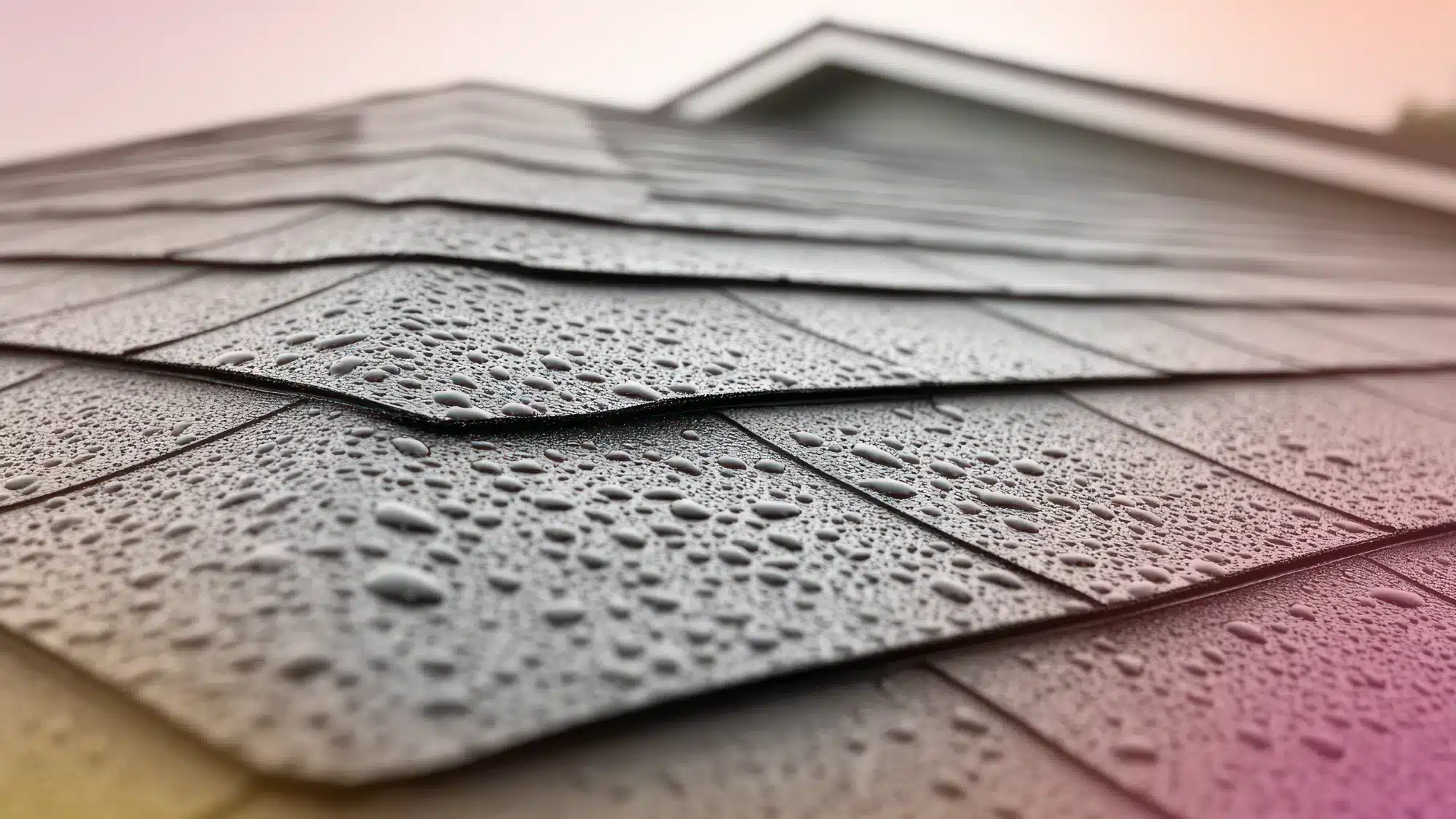
When temperatures dip at night, the warm air inside your home rises and meets the colder surfaces of your attic and roof. This temperature difference can cause condensation, leading to moisture buildup in your attic space. Without adequate ventilation, this moisture lingers, increasing the risk of:
- Mold and mildew growth
- Wood rot and structural damage
- Degraded insulation performance
- Shortened roof lifespan
The Role of Roof Ventilation in December
1. Expelling Moisture and Preventing Mold
Proper roof ventilation allows fresh, cooler air to enter the attic while pushing out warm, moist air. This continuous airflow helps keep the attic dry, reducing the risk of mold and mildew that thrive in damp environments. For Central Florida roofing, where humidity is a year-round concern, this is especially critical during cooler months when homeowners may not notice moisture issues until damage has occurred.
2. Maintaining a Stable Roof Temperature
Ventilation helps equalize the temperature between your attic and the outdoors. This balance prevents condensation from forming on the underside of your roof deck, which is a common cause of moisture problems in winter—even in milder climates like Central Florida.
3. Protecting Insulation and Energy Efficiency
Moisture can degrade attic insulation, reducing its effectiveness and leading to higher energy bills. By keeping the attic dry, roof ventilation ensures your insulation continues to perform, maintaining indoor comfort and energy efficiency throughout the season.
How Roof Ventilation Works
A well-designed roof ventilation system uses a combination of:
- Intake vents (usually in soffits) to draw in cool, dry air
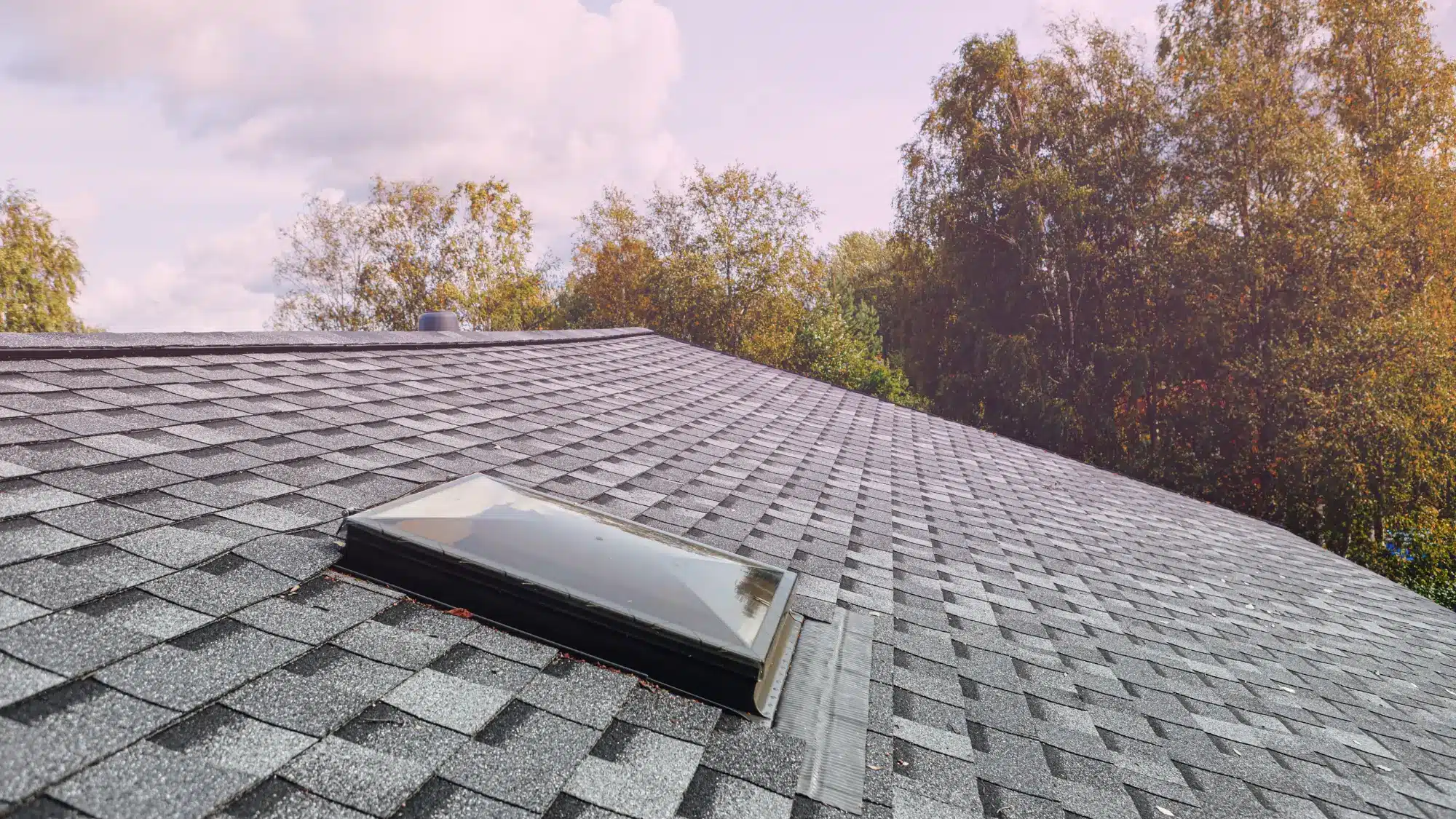
- Exhaust vents (such as ridge or gable vents) to expel warm, moist air
This setup creates a natural airflow that continuously refreshes attic air, preventing heat and moisture buildup regardless of the season.
Benefits of Roof Ventilation for Central Florida Roofing
- Prevents costly repairs by minimizing moisture-related damage
- Extends the life of your roof by reducing thermal stress and rot
- Improves indoor air quality by reducing mold and mildew risks
- Lowers energy costs by supporting insulation and reducing HVAC strain
December Maintenance Tips from JSC Roofing
- Inspect attic and roof vents for blockages or damage.
- Ensure insulation is dry and evenly distributed.
- Schedule a professional roof inspection to assess ventilation effectiveness.
- Consider upgrading or adding vents if your attic feels damp or stuffy.
Don’t let cooler nights put your Central Florida roofing at risk. Proper roof ventilation is a year-round necessity, but its benefits are especially clear in December when moisture threats quietly increase. Trust JSC Roofing to help you protect your home with expert ventilation solutions tailored to Florida’s unique climate.
For more information or to schedule a roof inspection, contact JSC Roofing—your local Central Florida roofing experts.