Introduction: The Florida Roof Installation Challenge
Florida’s climate presents unique challenges for homeowners considering a Florida roof installation. Intense sun, high humidity, and frequent storms all impact how long your roof will last. But one often-overlooked factor is the role of tree canopy—the shade and shelter provided by trees around your home. Understanding how tree coverage interacts with solar heat is crucial for maximizing roof lifespan and protecting your investment.
How Tree Canopy Influences Roof Lifespan
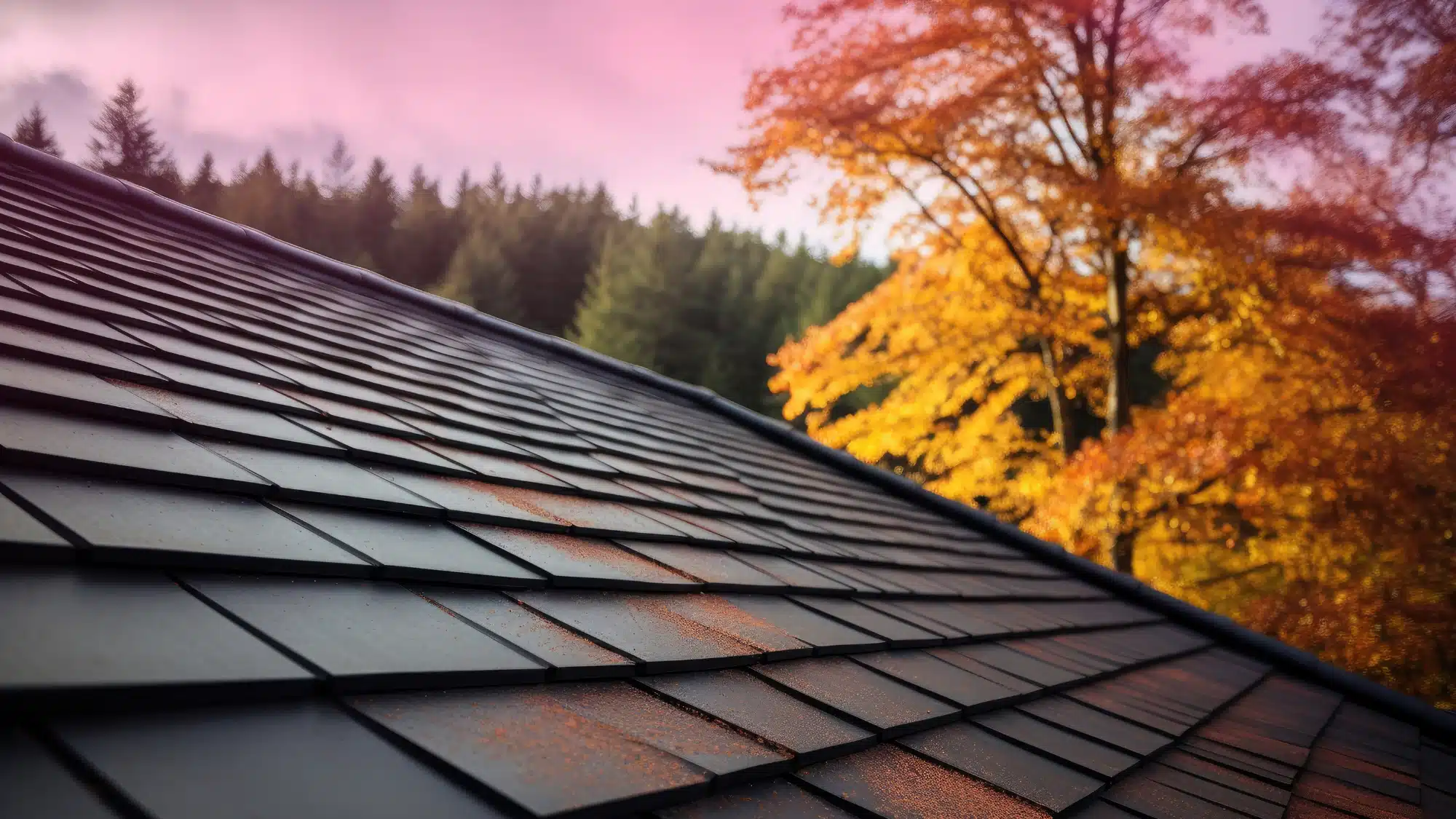
The Benefits of Shade
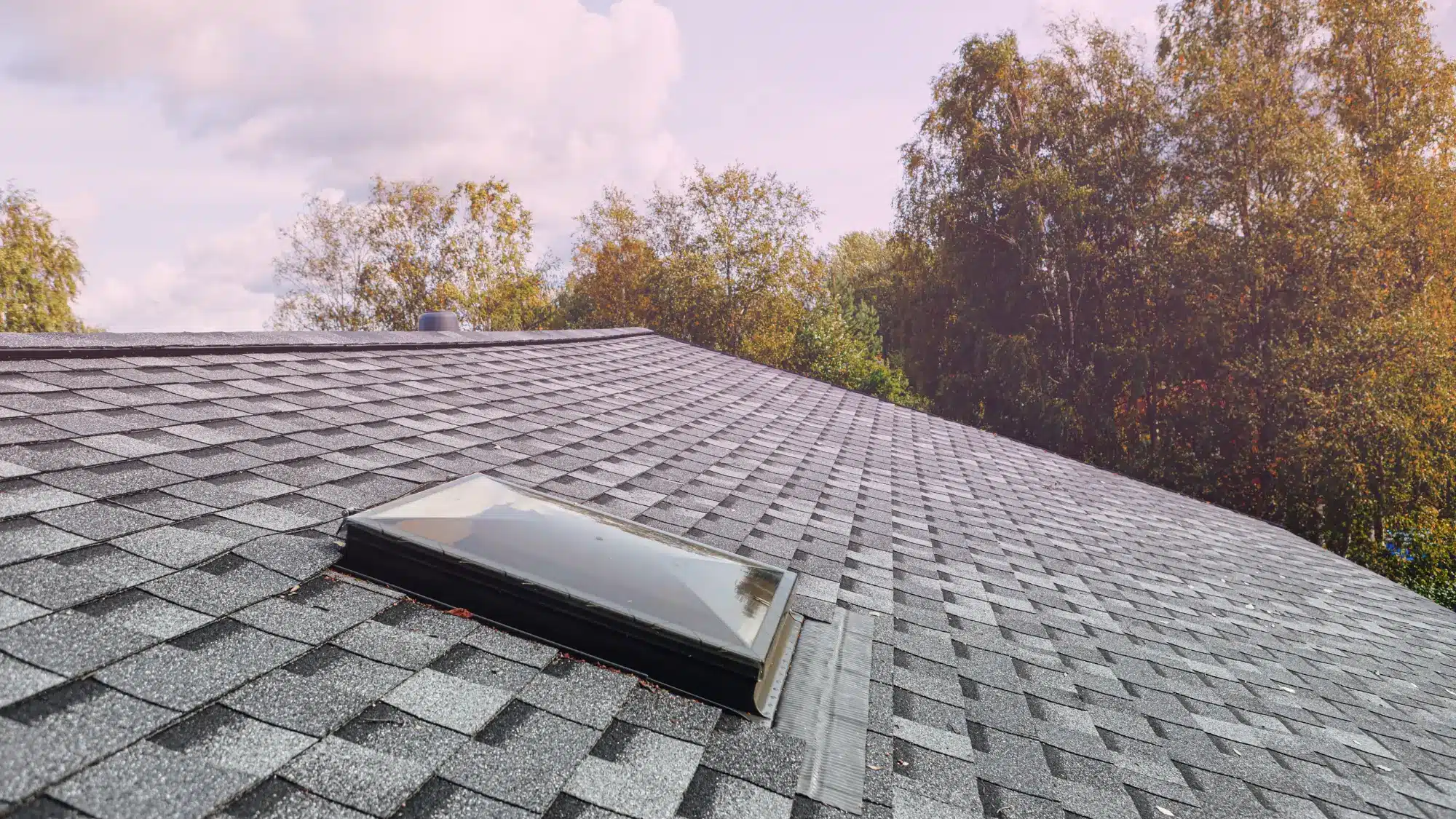
- Reduces Solar Heat Exposure: Tree canopies shield roofs from direct sunlight, lowering surface temperatures and reducing wear on roofing materials like asphalt shingles and tiles.
- Prolongs Material Life: Less UV exposure means slower degradation, helping roofs last closer to their maximum expected lifespan—up to 25 years for shingles and 30+ years for tile in Florida.
The Risks of Excessive Coverage
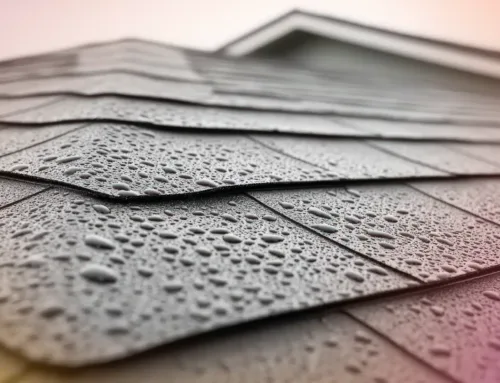
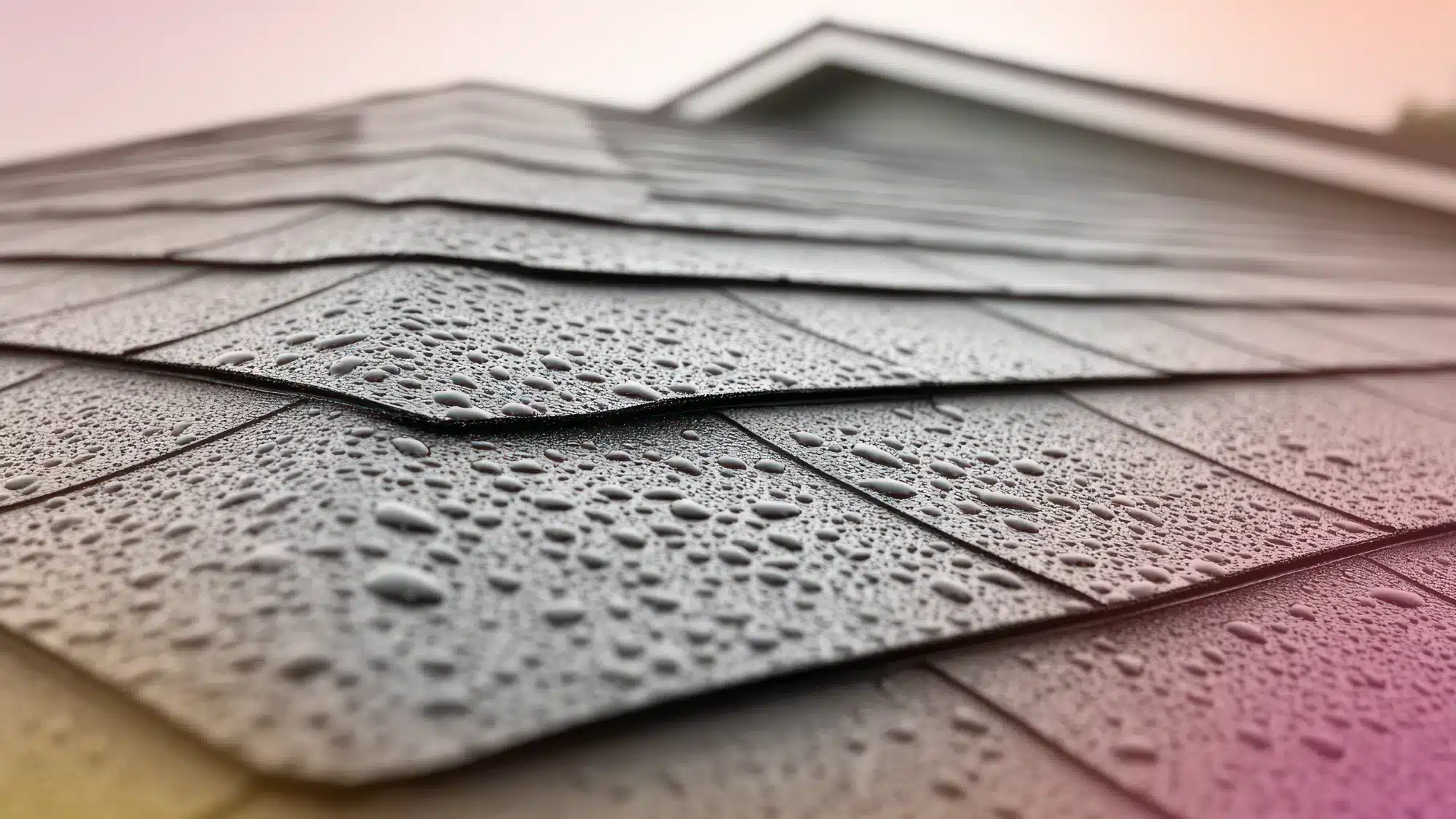
- Moisture Retention: Heavy tree cover can trap moisture on the roof, especially in Florida’s humid climate. This fosters mold, algae, and rot, which can cut shingle lifespan by up to 30% according to University of Florida research.
- Physical Damage: Overhanging branches can scrape shingles, drop debris, and even fall during storms, causing immediate structural harm and costly repairs.
- Pest Pathways: Trees close to the roof can provide access for rodents and insects, increasing the risk of infestation.
Florida Roof Installation: Balancing Shade and Solar Heat
When planning a Florida roof installation, consider the following:
- Strategic Tree Placement: Aim for moderate shade without excessive overhang. Well-placed trees can reduce solar heat but should not trap moisture or drop heavy debris.
- Routine Maintenance: Trim branches regularly and clear debris from the roof and gutters to prevent moisture buildup and physical damage.
- Material Selection: Choose roofing materials suited for Florida’s climate. Tile and metal roofs tend to last longer under both sun and shade, while asphalt shingles require more frequent inspection.
Proactive Steps for Florida Homeowners
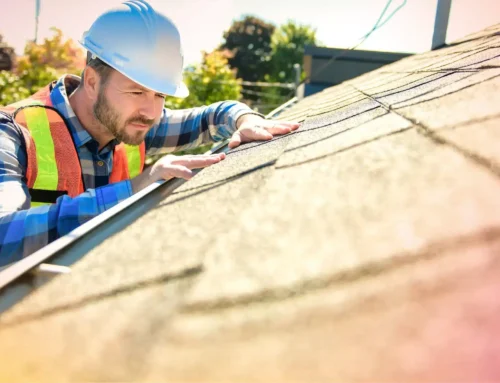
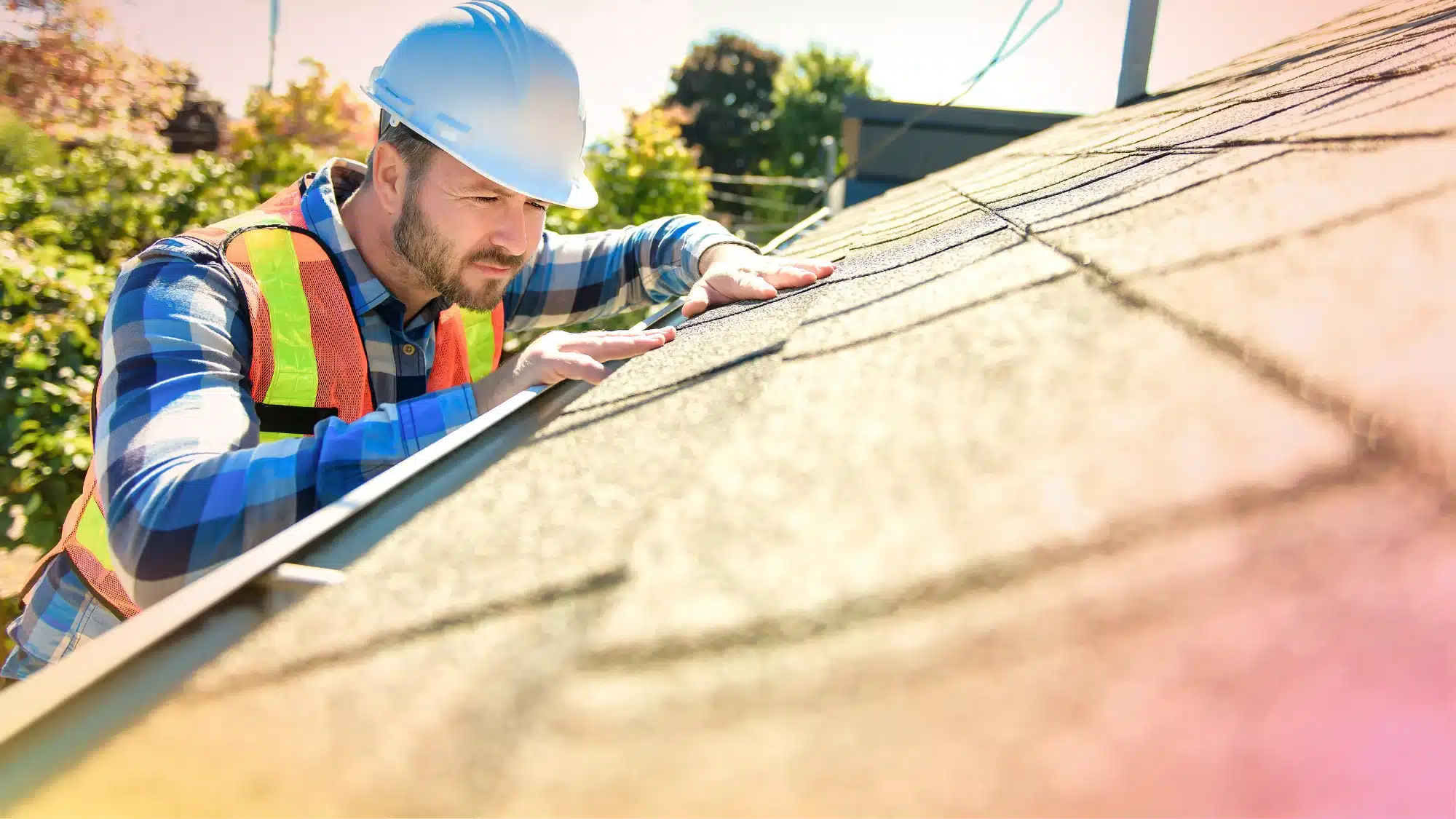
- Schedule Regular Inspections: Professional roof inspections help catch early signs of damage from both sun and tree cover.
- Trim Overhanging Branches: Prevent scraping, debris accumulation, and pest access by keeping trees at a safe distance from the roof.
- Clean Gutters and Roof Surface: Remove leaves, twigs, and moss to maintain proper water flow and prevent mold growth.
Conclusion: Maximizing Your Roof’s Lifespan
The interplay between shade and solar heat is a critical factor in Florida roof installation and maintenance. While tree canopy offers valuable protection from the sun, excessive coverage can shorten roof lifespan through moisture retention and physical damage. By balancing shade, maintaining your landscape, and choosing the right roofing materials, you can ensure your roof stands up to Florida’s climate for decades to come.
JSC Roofing
Your trusted partner for expert Florida roof installation and maintenance.