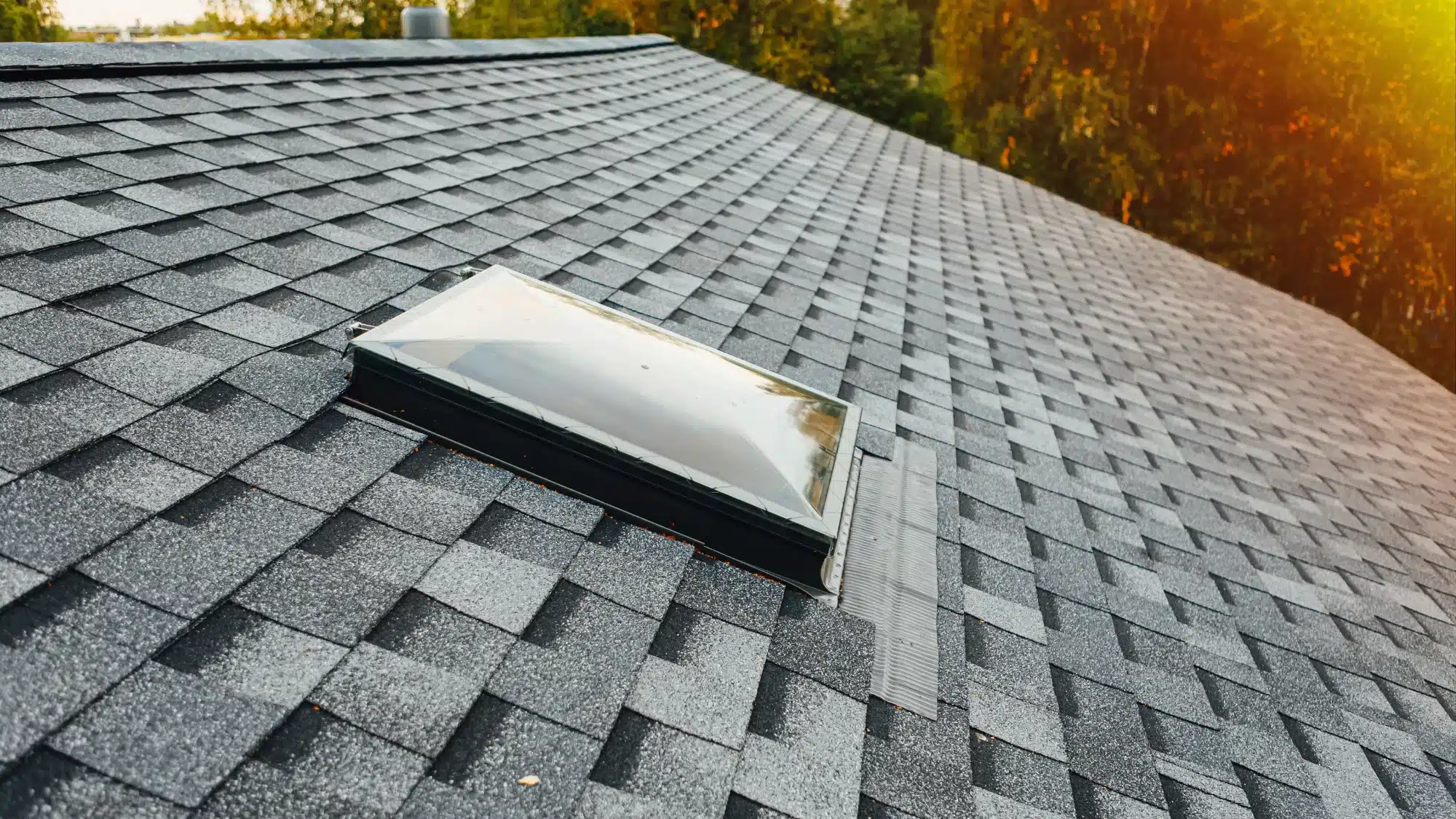
Florida homeowners face a unique mix of blazing heat, high humidity, and the threat of powerful storms. For Florida roof installation, choosing the right material is essential to maximize durability, energy efficiency, and long-term value. JSC Roofing offers guidance on material options best suited to Florida conditions, along with practical tips to protect your investment.
Florida Climate and Building Code Context
Florida’s climate drives how roofs perform. The state’s Building Code requires wind-resistant designs tailored to local wind zones, especially in coastal and hurricane-prone areas. In practice, this means selecting roofing products with appropriate wind ratings and ensuring installation uses proper fasteners, underlayment, and reinforcement where required. Energy efficiency also matters in Florida, where reflective or light-colored materials can reduce cooling loads. Always confirm that the chosen system complies with local code requirements and manufacturer specifications, and hire a contractor experienced with Florida roof installation to minimize risk from high winds or storm debris.
Roofing Material Options for Florida
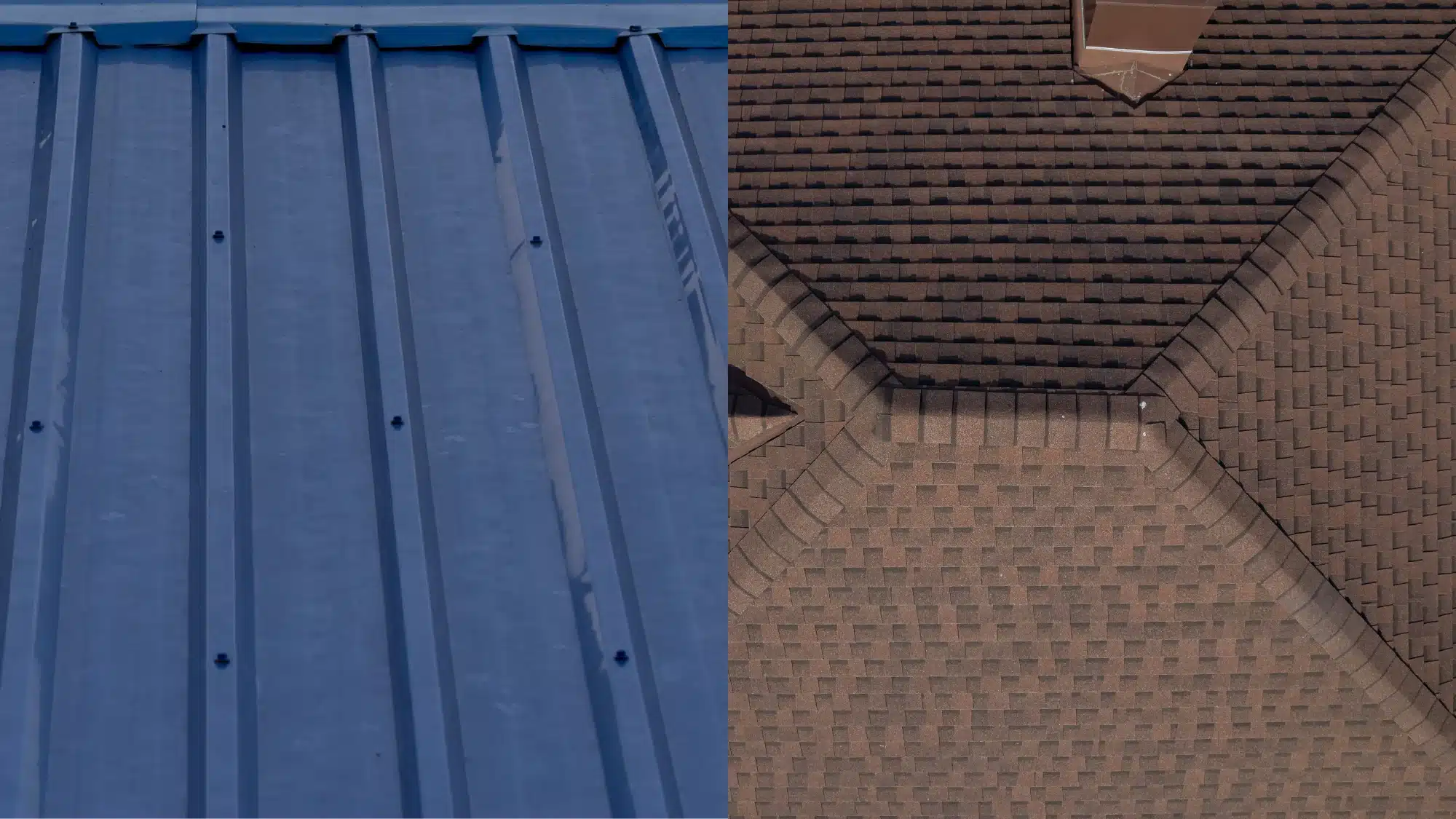
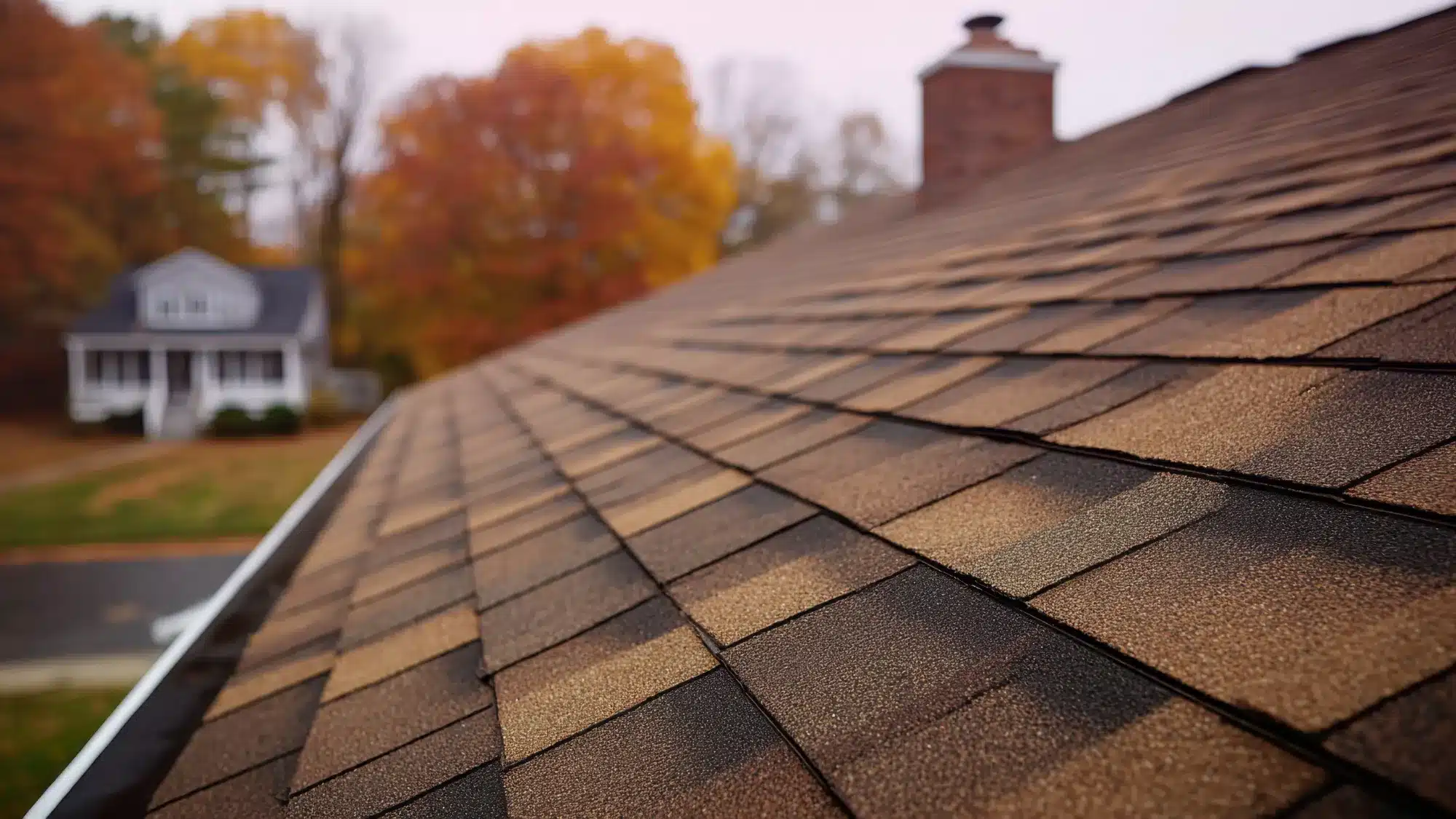
Asphalt Shingles
- Pros: Cost-effective and widely available; faster installation; a broad color range to match home exteriors.
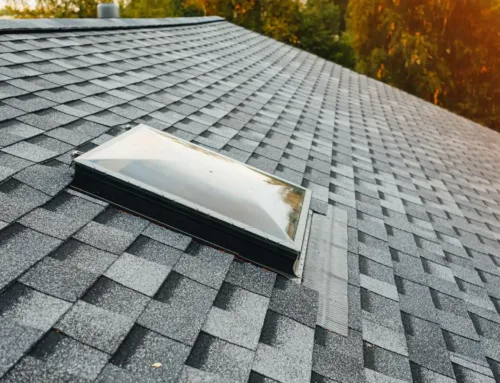
- Cons: Generally shorter lifespan than tile or metal; performance in extreme heat depends on quality and ventilation; wind resistance hinges on proper installation and using high-wind-rated or impact-resistant shingles.
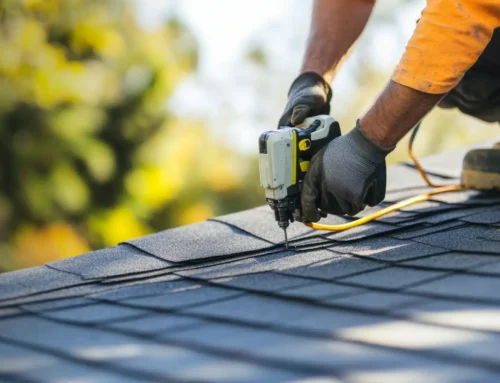
- Florida note: For added resilience, consider impact-resistant or high-wind-rated asphalt shingles and ensure a proper underlayment and nailing pattern. Florida roof installation with shingles should emphasize wind-rated products and careful fastening.
Metal Roofing
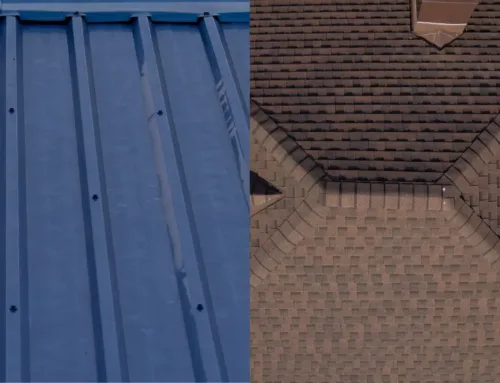
- Pros: Excellent wind and impact resistance when properly installed; lightweight relative to tile; long service life; energy-efficient due to reflective surfaces.
- Cons: Higher upfront cost; potential noise in heavy rain unless well insulated; appearance may not suit every architectural style.
- Florida note: Standing-seam or reinforced metal systems perform well in Florida’s climate and can be a strong choice for storm resistance and durability.
Concrete and Clay Tile
- Pros: Very durable, excellent heat reflectivity, wide range of styles, long lifespan in hot climates, and strong fire resistance.
- Cons: Heavy; requires structural reinforcement and careful installation for wind uplift; more expensive than asphalt shingles.
- Florida note: Concrete tiles are a popular Florida choice for coastal homes when properly installed with appropriate fasteners and underlayment. They can withstand heat and sun well, contributing to cooler roof surfaces.
Wood Shingles/Shakes
- Pros: Distinctive, natural appearance.
- Cons: Higher maintenance; more susceptible to moisture-related issues and termite damage; fire codes often restrict use in many Florida neighborhoods.
- Florida note: Typically not recommended for most Florida homes due to humidity and fire considerations, unless using treated or certified fire-resistant options in areas with strict codes.
Synthetic and Composite Roofing
- Pros: Can mimic wood, tile, or slate with improved uniformity and lighter weight; often designed for enhanced impact resistance and wind performance; good for roof restoration projects.
- Cons: Varied quality and color consistency; warranty terms differ by manufacturer.
- Florida note: A solid option when seeking a low-maintenance, durable alternative that performs well in storm-prone environments.
Flat Roof Membranes (TPO, PVC, EPDM)
- Pros: Excellent for low-slope sections and modern homes; strong resistance to ponding water; energy-efficient white TPO tops reflect sunlight.
- Cons: Requires professional installation; joints and seams must be maintained to prevent leaks.
- Florida note: Common on modern Florida homes with flat or low-slope roofs; choose UV-stable membranes and reputable installers to ensure long-term performance.
How to Choose a Florida Roof Installation
- Prioritize wind resistance and proper installation. The right product is only as good as its fastening and detailing in eaves, hips, and transitions.
- Look for fire resistance ratings and, where applicable, impact resistance for hail-prone areas.
- Consider roof weight and structural support. Tile and some membrane systems impose different loads than asphalt shingles or metal.
- Evaluate energy performance. Lighter colors and reflective surfaces can reduce cooling costs in Florida’s climate.
- Check warranties and local experience. A manufacturer-backed warranty combined with a contractor’s expertise in Florida roof installation provides greater peace of mind.
- Maintenance plan. Florida’s humidity and vegetation can affect algae growth, mold, and debris buildup; choose materials with appropriate maintenance expectations.
Final Thoughts and Next Steps
Choosing the right roofing material for Florida involves balancing climate, durability, storm resistance, and cost. If you’re planning a Florida roof installation for your home, consult with JSC Roofing to assess your home’s exposure, structural needs, and aesthetic goals. A professional assessment can yield a tailored recommendation, a precise written estimate, and a plan for a roof that stands up to Florida’s heat and storms. Contact JSC Roofing today to discuss the best material for your Florida home and schedule a thorough inspection.
Note: This article provides general guidance. For specific product suitability, always refer to manufacturer specifications and local building code requirements.