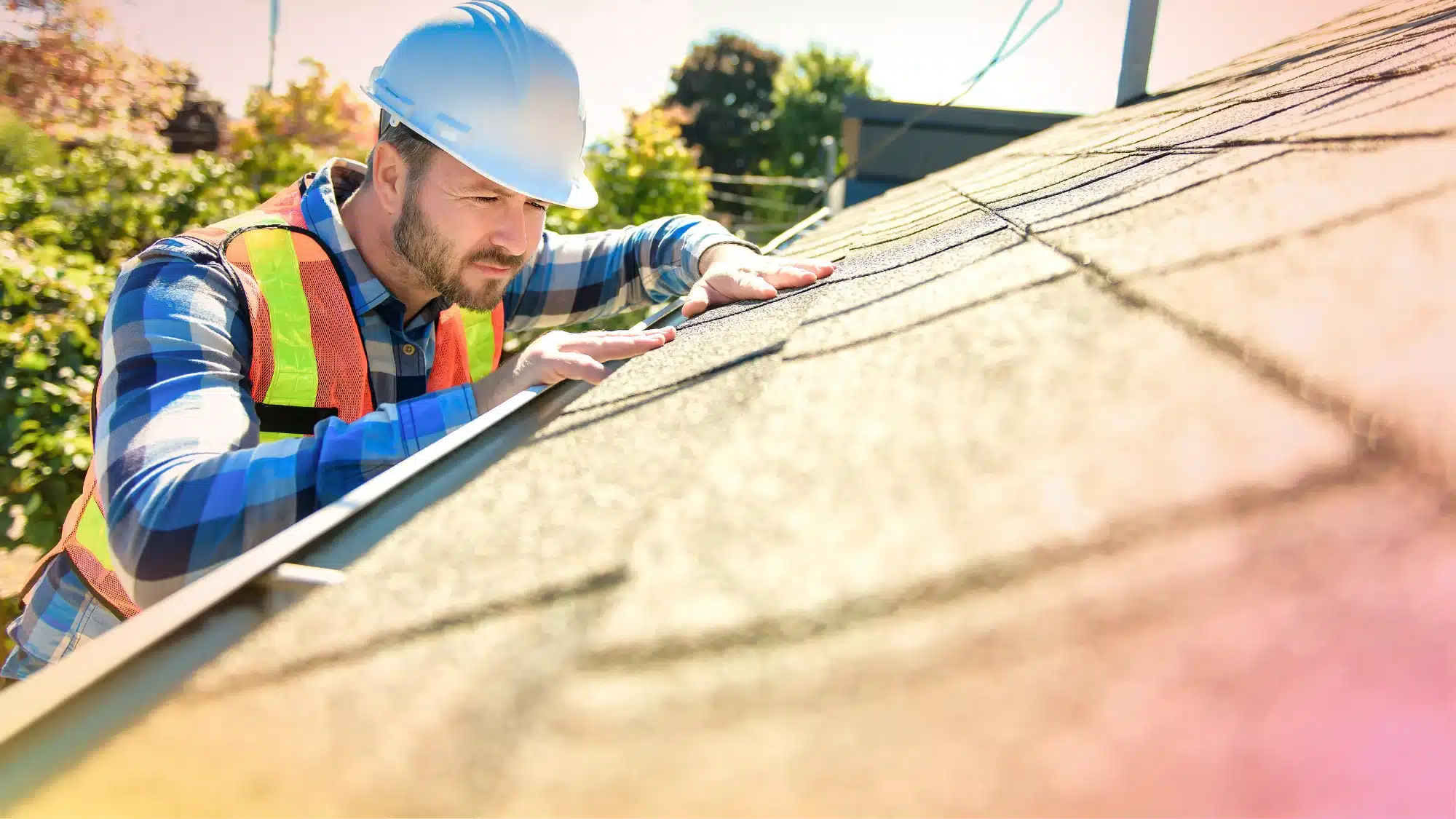
As the year draws to a close, Florida homeowners should prioritize a comprehensive roof health audit to protect their property from Central Florida’s unique weather challenges. Regular inspections not only extend your roof’s lifespan but also help you avoid costly emergency repairs. Here’s a detailed checklist from the experts at JSC Roofing to guide your year-end roof assessment—especially if you’re considering roof repair in Central Florida.
Why a Year-End Roof Inspection Matters
Florida’s climate—marked by intense sun, heavy rains, and hurricane threats—can accelerate roof wear and tear. A thorough inspection at year’s end helps you:
- Detect hidden damage from storms or hurricanes
- Prevent leaks during the winter dry season
- Plan timely roof repair in Central Florida before minor issues escalate
Essential Roof Inspection Checklist
1. Visual Roof Surface Inspection
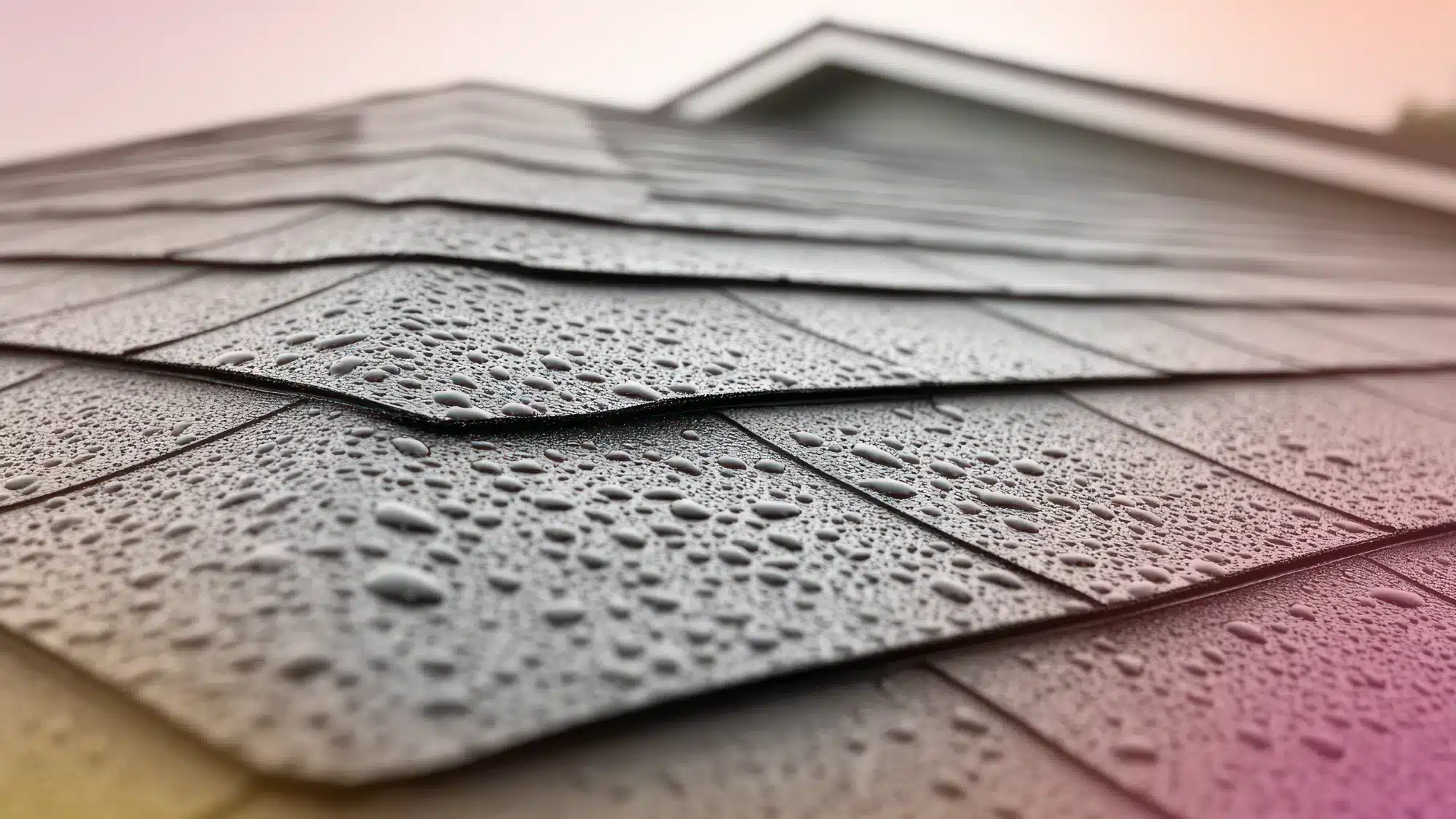
- Shingles/Tiles: Look for missing, cracked, curling, or blistering shingles and broken or displaced tiles. Uneven color or dark streaks may indicate mold or algae growth.
- Flat Roof Areas: Check for pooling water, which signals poor drainage and potential leaks.
- Metal Roofing: Inspect for dents, scratches, or loose panels, especially after storms.
2. Flashing and Penetrations
- Flashing: Examine metal strips around chimneys, vents, skylights, and where the roof meets walls. Damaged or rusted flashing is a leading cause of leaks.
- Vents and Pipe Boots: Check for cracks, separation, or worn rubber boots around vent pipes.
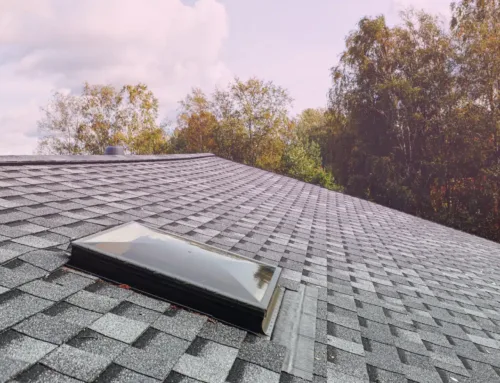
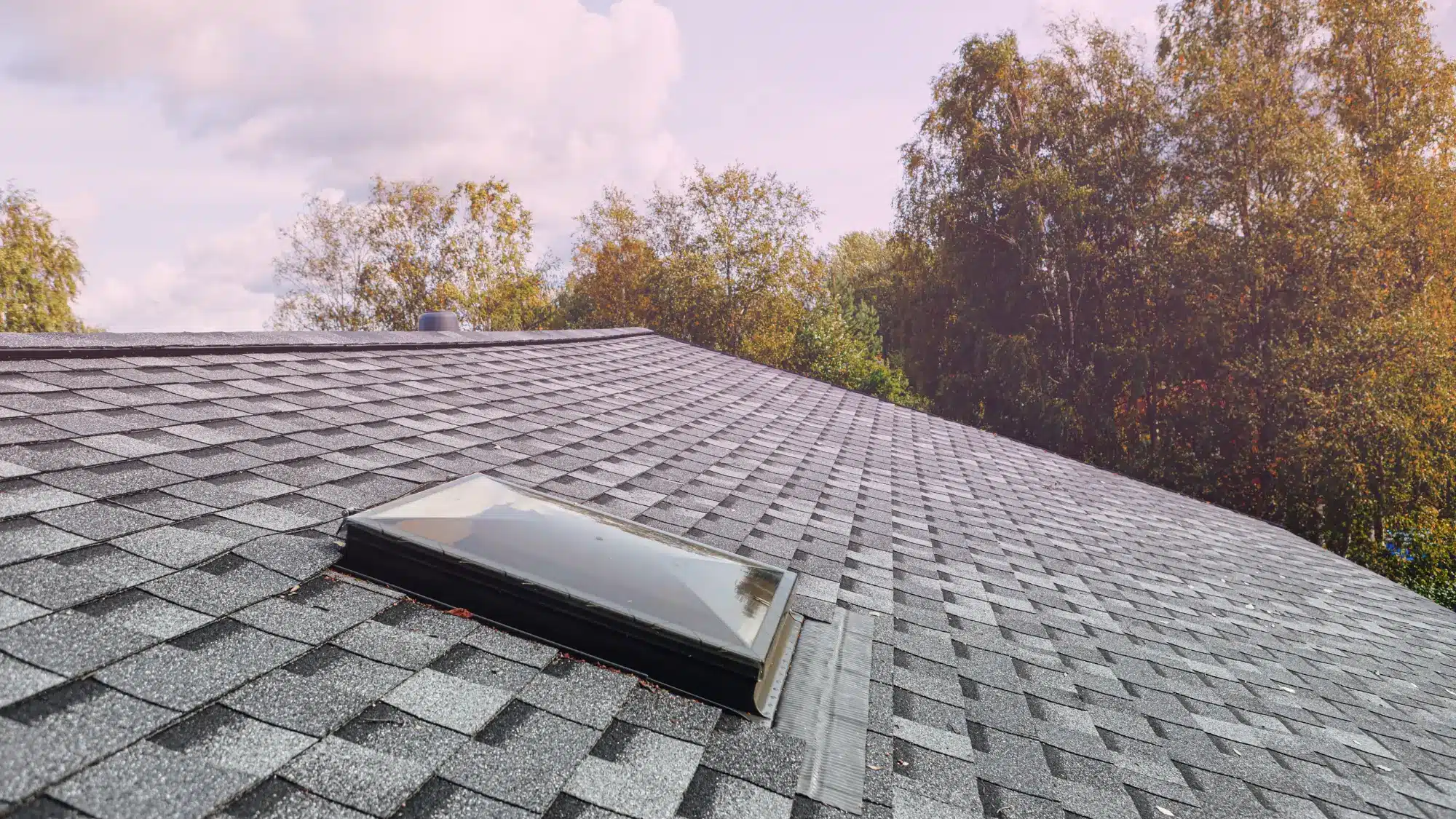
- Skylights: Ensure flashing around skylights is intact and free from gaps.
3. Gutters and Drainage
- Gutters: Remove debris, leaves, and granules. Ensure gutters are securely attached and free of rust or separation.
- Downspouts: Confirm water flows freely and is directed away from the foundation to prevent water damage.
- Signs of Water Damage: Look for stains or rot on fascia and soffits, which may indicate drainage issues.
4. Structural Integrity
- Sagging Roof Sections: Identify any areas that appear to dip or bow, which could signal structural problems.
- Decking and Support: Check for soft spots, rot, or delamination in the roof decking and inspect rafters and trusses for cracks or misalignment.
5. Interior Inspection
- Ceiling Stains: Water stains on ceilings or walls are telltale signs of leaks.
- Attic: Look for daylight through the roof boards, musty odors, or signs of trapped moisture. Ensure insulation and ventilation are adequate.
6. Post-Storm Assessment
- Always inspect your roof after major storms or hurricanes for new damage, especially in Central Florida’s volatile weather.
Pro Tips for Florida Homeowners
- Document Everything: Take photos of any damage or areas of concern for insurance and repair purposes.
- Safety First: Only access your roof if it’s safe, and you have the proper equipment. When in doubt, call a professional.
- Schedule Professional Inspections: Annual inspections by certified roofers like JSC Roofing can catch issues you might miss and provide peace of mind.
When to Call for Roof Repair in Central Florida
If your inspection reveals any of the following, it’s time to contact a trusted professional for roof repair in Central Florida:
- Persistent leaks or water stains
- Missing, broken, or curling shingles/tiles
- Rusted or damaged flashing
- Sagging or soft spots in the roof surface
- Clogged or damaged gutters and downspouts
Protect your investment and ensure your home is ready for the year ahead. For expert inspections and reliable roof repair in Central Florida, trust JSC Roofing—your local roofing specialists.
JSC Roofing: Keeping Florida roofs strong, season after season.